
Κάθε χρόνο, στις 2 Φεβρουαρίου γιορτάζουμε την Παγκόσμια Ημέρα Υγροτόπων. Μια μέρα αφιερωμένη σε τόπους … υγρούς, περιοχές με νερό που συχνά προσπερνάμε χωρίς να αντιλαμβανόμαστε πόσο σημαντικοί είναι για την καθημερινή μας ζωή. Οι υγρότοποι δεν είναι απλώς υγρές περιοχές, είναι πολύτιμοι σύμμαχοι για το περιβάλλον, την οικονομία και την ποιότητα ζωής μας.
Στην Κύπρο ένας από τους μεγαλύτερους και σημαντικότερους παράκτιους υγρότοπους είναι η Αλυκή Ακρωτηρίου. Βρίσκεται στο ομώνυμο ακρωτήριο στην επαρχία Λεμεσού και λόγο της σημασίας της προστατεύεται όχι μόνο σε τοπικό αλλά και σε διεθνές επίπεδο. Οι πιέσεις που δέχεται οι αλυκή αυτή είναι πάμπολες, όπως και τα πλάνα για μελλοντικές αλλαγές και αναπτύξεις στην περιοχή. Η Αλυκή Ακρωτηρίου, υποβαθμίζεται ραγδαία. Πλήθος ανθρωπογενών πιέσεων, όπως η αλλαγή χρήσεων γης, τα χωροκατακτητικά είδη, η ανάπτυξη υποδομών και η κλιματική αλλαγή συμβάλουν προς την κατεύθυνση αυτή. Παρότι αναγνωρίζεται διεθνώς για την οικολογική της αξία, η ανάγκη για άμεση αποκατάσταση και ενίσχυση της ανθεκτικότητάς της είναι πλέον επιτακτική.
Αναγνωρίζοντας τη σημασία και την ευαισθησία της περιοχής της Αλυκής Ακρωτηρίου, το Ανοικτό Πανεπιστήμιο Κύπρου συντονίζει το ερευνητικό έργο DPLUS ARISE – https://www.dplus–arise.eu, στο πλαίσιο του προγράμματος Darwin Plus του Ηνωμένου Βασιλείου και σε συνεργασία με το Τμήματος Περιβάλλοντος της Διοίκησης των Κυρίαρχων Βρετανικών Βάσεων. Στόχος του έργου είναι η αποκατάσταση και προστασία του οικοσυστήματος της χερσονήσου του Ακρωτηρίου. Οι δράσεις περιλαμβάνουν αποκατάσταση υποβαθμισμένων ενδιαιτημάτων, δημιουργία μικρο-αποθεμάτων φυτών, και περιορισμό της πρόσβασης οχημάτων σε ευαίσθητες περιοχές
Πέραν των δράσεων αυτών, ομάδα επιστημόνων από το Durrell Institute of Conservation and Ecology (DICE) του Πανεπιστημίου του Kent, εξετάζει εναλλακτικά σενάρια για το μέλλον της Αλυκής Ακρωτηρίου, μέσω μιας συμμετοχικής αξιολόγησης βιωσιμότητας, με ενεργή εμπλοκή τοπικών ενδιαφερόμενων μερών και ειδικών. Μέσα από ερωτηματολόγια, συνεντεύξεις και εργαστήρια, αναπτύχθηκαν και εξετάζονται εναλλακτικά σενάρια για το μέλλον της χερσονήσου του Ακρωτηρίου έως το 2050, με στόχο την καλύτερη κατανόηση των περιβαλλοντικών, κοινωνικών και οικονομικών επιπτώσεων διαφορετικών επιλογών διαχείρισης.
Η προσέγγιση αυτή δεν αποσκοπεί στην πρόβλεψη του μέλλοντος, αλλά στη στήριξη της τεκμηριωμένης λήψης αποφάσεων, στην ανάδειξη κινδύνων και ευκαιριών και στην ενίσχυση του διαλόγου μεταξύ φορέων με διαφορετικά συμφέροντα. Το έργο φιλοδοξεί να συμβάλει στην εναρμόνιση της αποκατάστασης των υγροτόπων με τις ανάγκες της κοινωνίας και της τοπικής οικονομίας.
Μέσω του έργου DPLUS ARISE ποσοτικοποιούνται οι φυσικές και ανθρωπογενείς πιέσεις στη ζώνη επιρροής της Αλυκής Ακρωτηρίου και εφαρμόζονται καινοτόμες δράσεις για την ενίσχυση της οικολογικής ανθεκτικότητας, ορισμένες από τις οποίες υλοποιούνται για πρώτη φορά στην Κύπρο. Η παραγόμενη γνώση και η συμμετοχή φορέων και πολιτών ενισχύουν την ευαισθητοποίηση και αφήνουν μια ουσιαστική παρακαταθήκη για τη μακροπρόθεσμη προστασία, αποκατάσταση και παρακολούθηση αυτού του μοναδικού οικοσυστήματος.
Akrotiri Salt Lake of Cyprus:
From brainstorming sustainable practices to solid conservation steps forward
B y Dr. Peter Matthews
Durrell Institute of Conservation and Ecology
University of Kent
Cyprus’ most important coastal wetland is being rapidly degraded due to a combination of human-induced pressures, including land use change from new development, invasive species, visitor activities, and climate change. The Akrotiri Salt Lake (ASL) is internationally recognised for its ecological value, but these pressures mean this value is being lost, so there is an urgent need to restore and enhance the resilience of this ecosystem. The Open University of Cyprus, together with the Environment Department of the Sovereign Base Areas Administration, has used the British government’s ‘Darwin Plus’ grant scheme to develop a project with practical actions to address this problem. These include techniques for restoring degraded soils, recreating aquatic habitat, establishing mini reserves for key plant species, and measures to restrict vehicle access to some of the most sensitive areas.
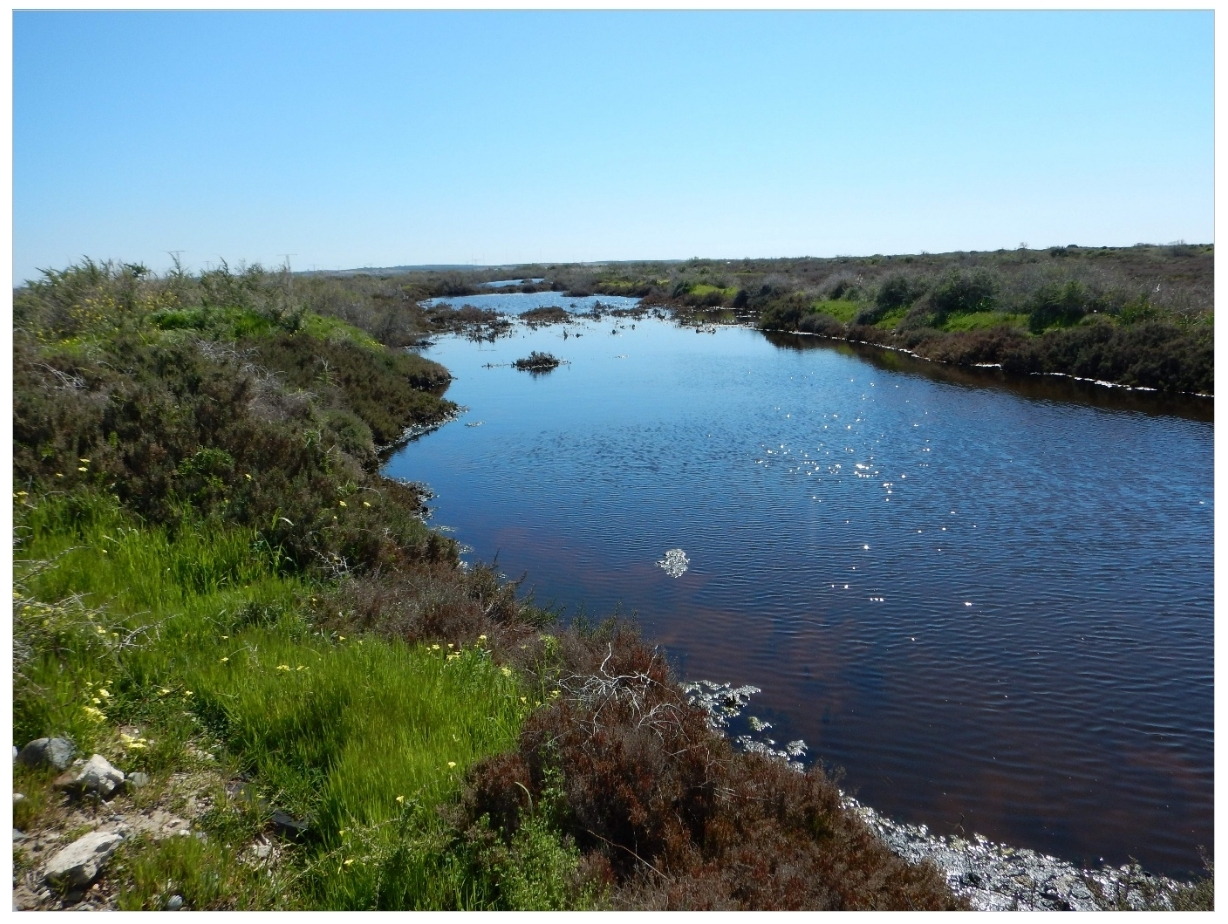
Picture 1: The Akrotiri Salt Lake Marsh, one of the most important and sensitive ecosystems of the area.
Of course, the degradation of the salt lake (and the wider Akrotiri wetland system that the salt lake is part of) is a social, economic, and political problem as well as an environmental one. The processes and pressures driving this degradation cross an international border, and there are many different groups of people with their own interests in this area, which are not always aligned. Engaging with these different stakeholders and experts, listening to what they think about the area, and each other, can help create conservation plans that are successful in the long-term, and for managing any conflicts between different stakeholder interests.
This is where we – researchers from the Durrell Institute of Conservation and Ecology (DICE), from the University of Kent in the UK – enter the picture. We partnered with the Open University of Cyprus, to support their work in engaging local stakeholders and experts via a ‘sustainability assessment’. Sustainability assessment is essentially an umbrella term that can refer to any number of different processes designed to account for the concept of sustainability in decision-making. We at DICE have experience in using a particular combination of research methods for performing sustainability assessments, used to compare the sustainability of alternative future landscapes, and this research toolkit is well suited for describing complex systems, such as the Akrotiri wetland system, and engaging stakeholders.
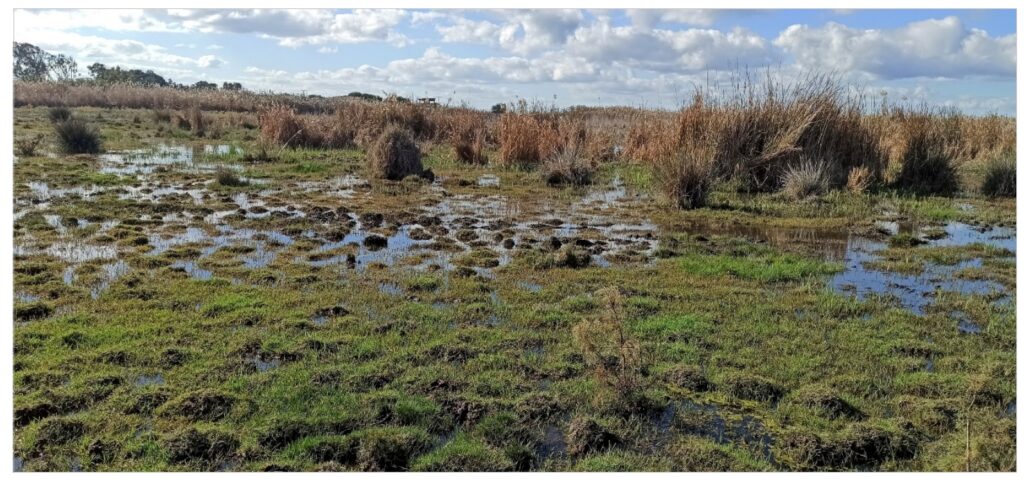
Picture 2: Presence of water year-round, alongside seasonality and peculiar salinity conditions have contributed to a large number of endemic and endangered species to flourish in ASL.
In this project, applying these methods means producing hypothetical scenarios (considering how the salt lake might change in the future, but also the wider ‘pressure zone’ covering the whole Akrotiri peninsula) and comparing how these scenarios perform against different criteria for sustainability. In doing so, we are not setting out to prove or test something: the process is simply designed to help decision makers rationalise different options for the future, highlight critical risks or opportunities for improving sustainability performance, and get stakeholders themselves involved in the process of exchanging and generating knowledge. This work is participatory: throughout the process, we depend on the input and insights of local stakeholders and experts to make it work.
In October 2025, thanks to the generosity and willingness of everyone who agreed to give up their time to participate in our exercises, we completed some key steps in this sustainability assessment:
-
Nowadays, the term sustainability is everywhere, and so we often take its meaning for granted, but it can mean different things in different places and for different people, depending on what you see as the priorities for improving the well-being of society and the environment. So, we wanted to make sure that our criteria for sustainability reflected what matters to the nature and people of the Akrotiri peninsula. To do this, we combined a review of academic studies and policy documents with a questionnaire survey where people could give their opinions on what they saw as the most important environmental, social, and economic ‘sustainability objectives’ to achieve for a sustainable future in the Akrotiri peninsula.
-
We brought together a group of experts and stakeholders for a workshop, to start developing four contrasting scenarios for the Akrotiri peninsula in 2050. Here, the aim was not necessarily to accurately predict the future, but to illustrate a range of possibilities that reflect the power of different drivers of change on the landscape. Under one scenario, for example, a series of financial crises has greatly reduced institutional resources for conservation action, but strongly motivated local people are doing what they can to fill this gap, looking for ways to restore and protect the surrounding natural environment through bottom-up community action. Conversely, under another scenario, well-funded and resourced conservation organisations are trying to deliver actions (like those being implemented by OUC right now) despite a total lack of interest or support from local communities.
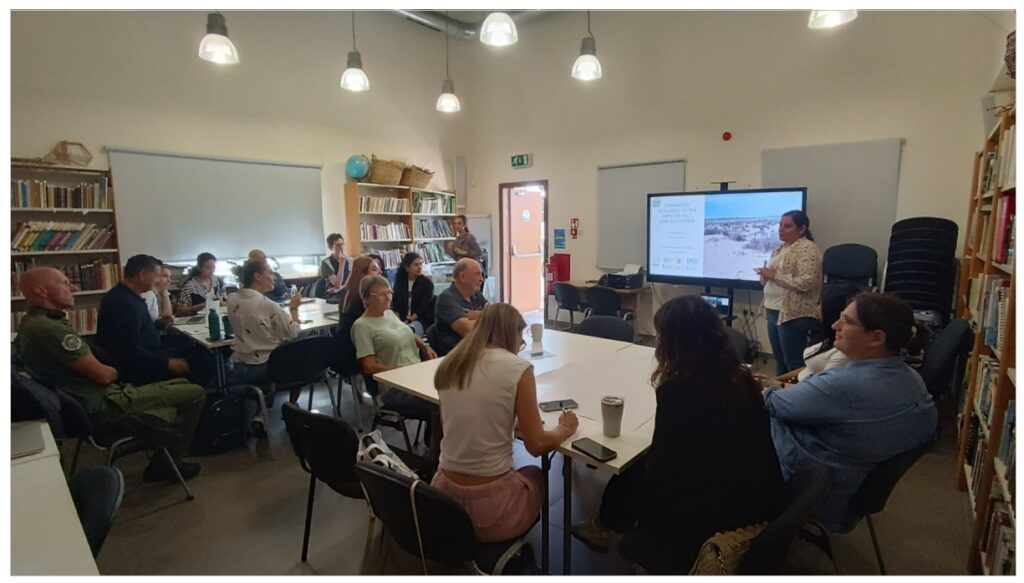
Picture 3: Presentation of ARISE project to stakeholders prior to the scenario development workshop.
-
To explore the pathways of cause and effect that could link the changes under the scenarios to impacts on our chosen sustainability objectives, and to map the relationships between different stakeholders, we also interviewed different stakeholders and experts. Our interviewees included representatives from businesses, non-governmental organizations, local communities, different types of land users, academics, environmental consultancies, municipalities, and government authorities (from both the Republic of Cyprus and the Sovereign Base Areas). The responses we received covered a variety of different knowledge bases, attitudes, and priorities, letting us approach the same issue from different perspectives. For instance, depending on who you speak to, a certain development project may be described as one of the final nails in the coffin for the Akrotiri wetland system, or as a vital boost to local quality of life and economic prosperity.
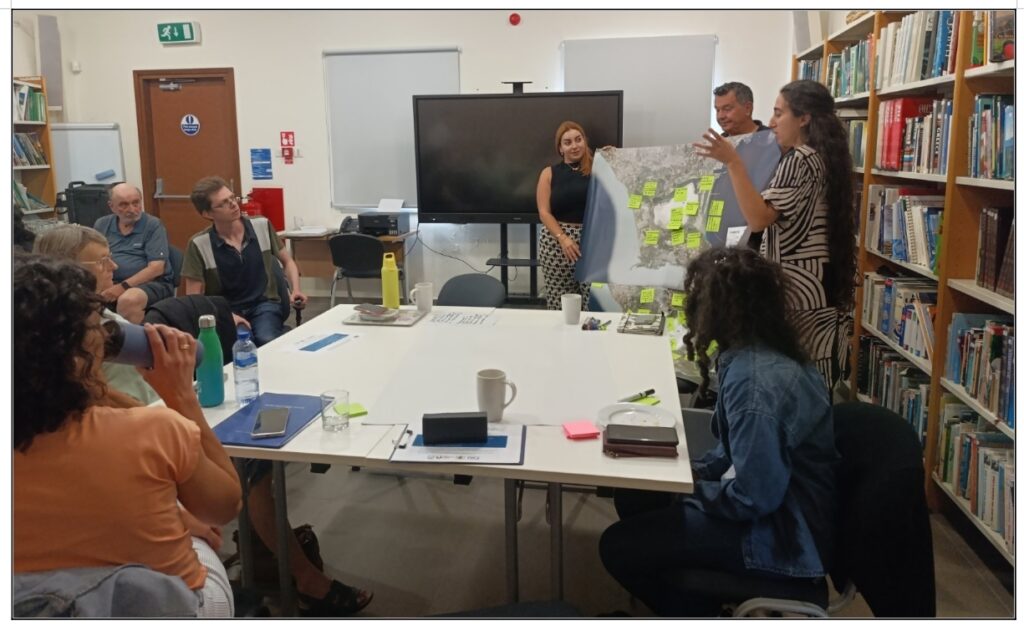
Picture 4: Presentation of scenarios between the stakeholder groups involved in the workshop.
Thanks to the contributions of all our participants, we ended up with a wealth of information on the pathways or barriers for change, and the relationships between key stakeholders, in this highly threatened and valuable environment. Our task now is to finalise the storylines for each scenario and analyse the interviews.
Ultimately, once we can share the scenarios and assessment output, we hope that the sustainability assessment creates an opportunity for people to reflect on the opportunities and challenges for reconciling habitat restoration efforts in the Akrotiri wetlands with the interests and needs of different types of stakeholders. What would it mean for social and economic sustainability if the wetlands were able to recover to their former condition, or if they were to be degraded even further, for example? Can we use the scenarios themselves as a communication and engagement tool? Is there one scenario that is best for all sustainability objectives, or must decision makers accept that some trade-offs between certain sustainability objectives are always going to be unavoidable? In the complex web of stakeholder relationships influencing this environment, where are the most critical connections or divides that could help or hinder progress towards a sustainable future?
While we have already been working with many different stakeholders and experts, we are open to any additional input from members of the public interested in contributing to this project. If you are interested in giving your views on the future of the Akrotiri Salt Lake and surrounding area, you can fill out a short form here.
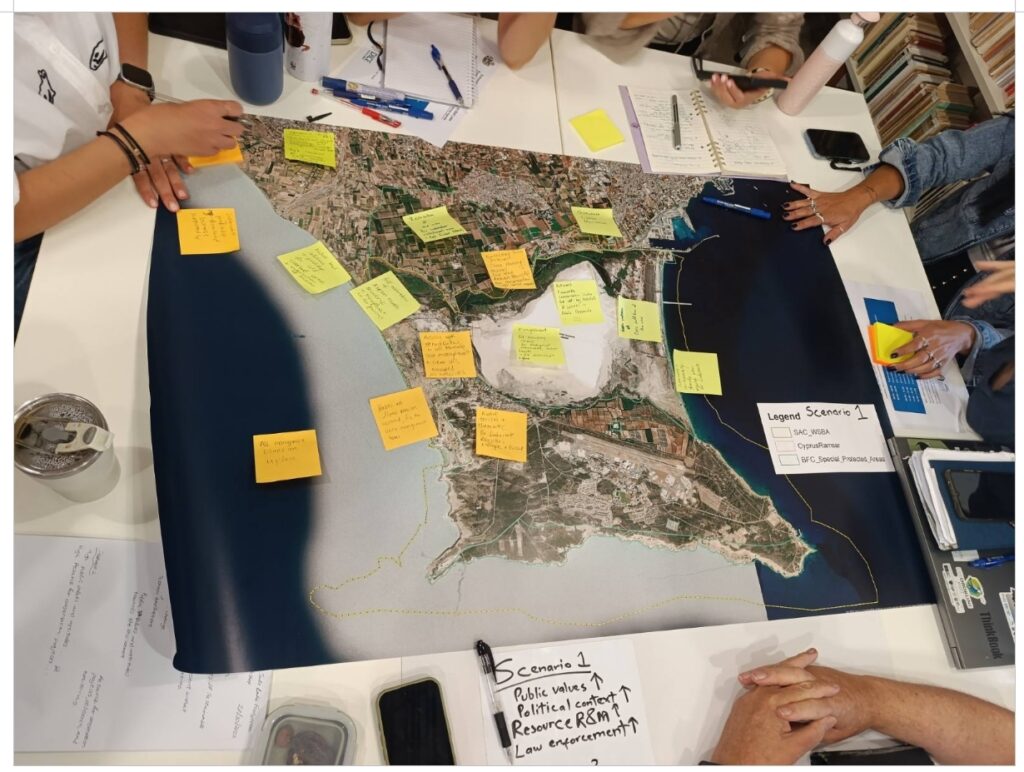
Picture 5: The outcome of the workshop, as simple as sticky notes on a map, will provide the base of sustainability planning for the future, as well as promote collaboration between stakeholders.
Through the ARISE project, the degree of natural and anthropogenic threats in the surrounding ASL “pressure zone” are being quantified, while concrete actions to increase ecological functioning resilience such as soil crust protection and plant microreserves are applied, some for the very first time in Cyprus.
Generated knowledge through various channels, including stakeholder interviews and feedback will increase awareness of ASL value, leaving a legacy to the SBAA for the protection, restoration and monitoring of this ecosystem, whilst providing support for better environmental governance through stakeholders, public department, academia and general public engagement.